
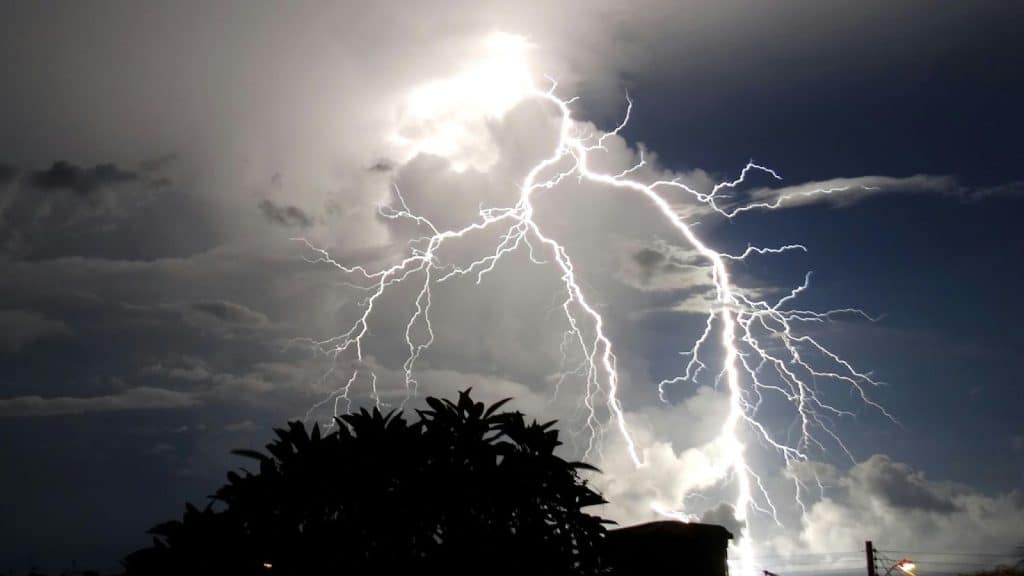
Storm season in Brisbane runs from October through to April, bringing heavy rain, strong winds, thunderstorms and occasional cyclone impacts. For local homeowners, a bit of early yard prep can significantly reduce damage, safety risks, and the clean-up required after a storm.This guide explains when storm season happens in Brisbane, what to expect as the season progresses, and how to prepare your yard properly, including practical advice on managing green waste and storm debris.
Storm Season in Brisbane: What Homeowners Can Expect
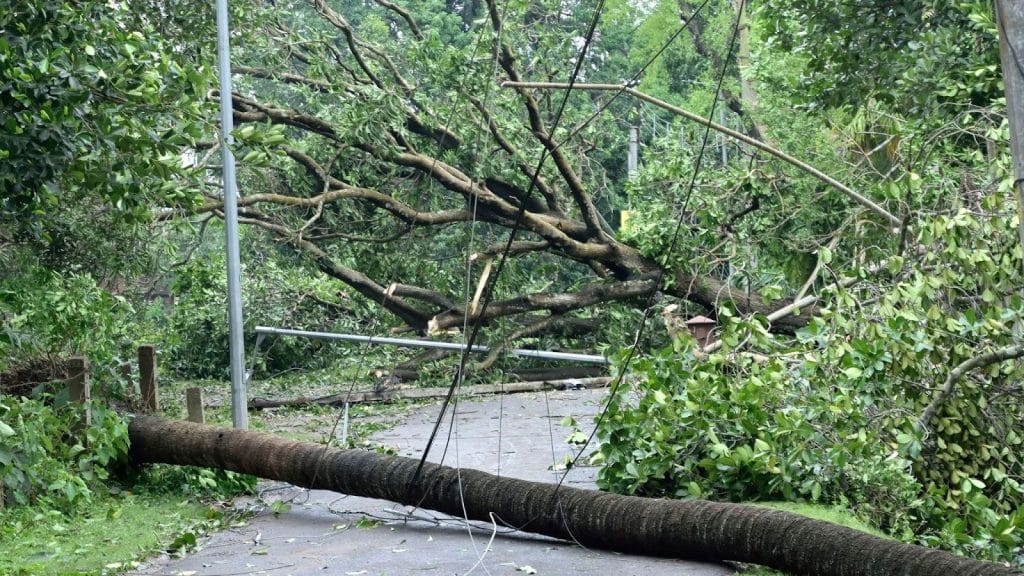
Storm season in Brisbane follows Queensland’s wet and cyclone seasons. While Brisbane isn’t hit by cyclones as often as northern Queensland, it regularly experiences intense storms that leave behind fallen trees, broken branches, palm fronds, and large volumes of garden waste.
For many Brisbane residents, the biggest issue isn’t the storm itself, it’s the clean-up afterwards. Brisbane City Council consistently identifies summer storm activity as the main driver of fallen vegetation and storm debris across Brisbane suburbs.
Common storm-related problems include:
- Fallen branches and vegetation
- Palm fronds and damaged shrubs
- Blocked drains and gutters
- Outdoor furniture and loose items blown around
- Large amounts of green waste that won’t fit in the bin
When Is Storm Season in Brisbane?
Storm season in Brisbane typically runs from October to April, aligning with Queensland’s wet and cyclone seasons. Storms can arrive earlier or linger later, which is why year-round yard maintenance still matters.
Brisbane Storm Season Timeline (What to Expect)
October–November: Storms Begin
Humidity increases and afternoon storms become more frequent. Gardens grow quickly, which means more green waste building up.
December–January: Peak Storm Activity
These are Brisbane’s wettest months and usually bring the highest number of storms. Strong winds and heavy rain often result in fallen branches and debris.
February: Most Severe Weather
February often produces the strongest storms, including heavy rainfall linked to cyclone remnants. Saturated soil from months of rain increases the risk of trees falling.
March–April: Late-Season Storms
Early March may have heavy rain systems lingering from cyclonic activity. Storms slow down but can still cause damage, particularly where trees and vegetation have already been weakened earlier in the season.
How to Prepare Your Yard for Brisbane Storm Season
1. Trim Trees and Manage Vegetation
Overgrown trees and unstable branches are one of the biggest storm risks for Brisbane homes.
- Remove dead or damaged branches
- Cut back trees near roofs, fences and powerlines
- Clear palm fronds and dense shrubs
Large amounts of vegetation often exceed green bin capacity, making garden waste removal Brisbane services a practical option for many homeowners.
Learn more about Green Waste Removal in Brisbane
2. Reduce Green Waste Before Storms Hit
Leaving piles of green waste around can:
- Block drains and gutters
- Become waterlogged and harder to move
- Increase clean-up time after storms
If your green bin fills quickly, our green waste rubbish removal allows you to clear everything in one visit rather than waiting weeks for collections.
3. Secure Loose Items and Garden Furniture
Strong winds can turn everyday items into flying hazards.
Before storms arrive:
- Secure or store garden furniture
- Move loose pots and planters
- Clear old timber, fencing or appliances from the yard
This reduces the risk of damage and cuts down on storm debris later.
4. Keep Gutters and Drains Clear
Leaves, weeds and grass clippings are a major cause of blocked drainage during storms and are a major cause of flooding.
Regularly clearing garden waste helps prevent water pooling around your home and reduces flood-related damage.
The Aftermath: How to Clean Up After a Storm
Storm clean-ups range from small tidy-ups to major debris removal.
Simple post-storm clean-up steps:
- Ensure safety first: avoid unstable trees and fallen power lines
- Collect green waste like branches, palm fronds and shrubs
- Clear driveways and paths for safe access
- Separate garden waste from general rubbish
- Arrange storm debris removal if volumes are large
Trying to handle heavy or awkward waste yourself can be time-consuming and risky, especially in tight Brisbane yards. Contact our team for professional green waste removal in Brisbane.
How to Get Rid of Green Waste in Brisbane
Green Bins
Suitable for small amounts of regular garden waste, but limited in size and not ideal after storms.
Council Transfer Stations
An option if you have transport and time, but it usually involves heavy lifting and multiple trips.
Professional Garden Waste Removal
For storm clean-ups or large garden jobs, Steve’s Rubbish Removals offers an efficient, local solution for Brisbane homeowners.
We remove:
- Palm fronds and branches
- Storm debris
- Garden rubbish and vegetation
View the full list of What We Remove.
With our rubbish removal service you can be rest assured that waste is disposed of responsibly. Learn more About Steve’s Rubbish Removals.
Get Ready Before the Next Storm
Storm season in Brisbane is unavoidable, but dealing with the mess doesn’t have to be. Preparing your yard early and having a plan for green waste and storm debris makes clean-ups quicker and safer.
Steve’s Rubbish Removals services Brisbane‘s North and Southside. Local knowledge means faster response times and disposal that aligns with council guidelines. View the full Brisbane Service Area.
If you need help clearing garden waste or storm debris, contact Steve’s Rubbish Removals for friendly, reliable local service across Brisbane.


